




Beyond Headlines
Anjali Ramesh | 2026年2月27日
响应: Georgetown Students Reflect on Fall 2025 Virtual Discussions with Peking University
Ritika Saligram
The U.S.-China Student Dialogue is a unique experience. It is rare to have the opportunity to converse with students in a country that has a strained relationship with the United States, and more so to do it over an extended period. The chance to discuss difficult issues such as trade, artificial intelligence, and climate change with people whom I believe will be the leaders of the future is truly compelling. I came in ready to problem solve, hoping that this initiative would provide the platform to start making headway on real solutions, even if we only had a few Zoom sessions to do so. However, I learned something else entirely from our dialogue that is arguably more valuable than a policy recommendation: the most effective diplomacy is built on trust and understanding, not just innovative solutions.
For our first session, we were asked to come prepared to discuss the U.S.-China relationship. Given my focus on South Asia, I already had thoughts I was keen to discuss. Once in breakout groups, I tried to kick off by diving right into the questions. I was met with uneasy silence until one of the Chinese students said something to the effect of, “We don’t really know each other. So I don’t think we should be discussing those issues yet.” I was shocked. I had never heard that in an American classroom – people just came in ready to engage, regardless of whether or not they knew their classmates.
So instead of unpacking the policy questions, we just got to know each other. We talked about Christmas traditions, the impending madness of the end of the semester, and our excitement to visit each other's countries and the things we’d like to see when we do. 45 minutes later, I felt as if I had begun some really interesting friendships. More unexpectedly, I came away with the sense that Chinese and American people have fundamentally different understandings of how the other side views them, and that perhaps there is more misunderstanding than difference. There was so much overlap in our daily lives, joys, and concerns, and yet everyone acutely felt that the tension between the United States and China made larger discussions almost impossible to start.
At Georgetown’s School of Foreign Service, we dedicate our time to understanding the world’s most complex dynamics so that we might leave equipped to better the lives of others. Yet is easy to forget that we rarely solve problems in a silo, and that we’re learning how to do it with mostly like-minded students. It is another thing entirely to solve a problem that your counterpart doesn’t see as an issue, or to start a dialogue on issues that are non-starters for the other side. This is where the U.S.-China Student Dialogue has provided an invaluable supplement to my academic pursuits. In just a few Zoom sessions, it has taught me the need for building trust and understanding to unpack difficult issues productively.
In the second session, we already knew each other a bit – we still started with lighter topics, but we were able to sit with more difficult questions about trade, economics, and climate policy. Building rapport earlier encouraged honesty throughout the discussion, exposing places where our countries have historically misunderstood each other. We didn’t solve the trade dispute in that hour, but we would never have seen areas for engagement if we hadn’t trusted each other enough to be honest about why we had different views. As we look towards our trip to Beijing, I’m excited to continue our policy discussions, but I’m even more excited to continue learning about the people sharing this unique experience with me. Building enough trust to take an honest look at the tensions reminds us that both countries are looking for rational solutions to their problems, and that escalation is often inadvertent or fueled by misunderstanding. The key to learning diplomacy is not just working on how to build innovative policy, but it is reminding students that the most effective conversations come from trust and centering our shared humanity.
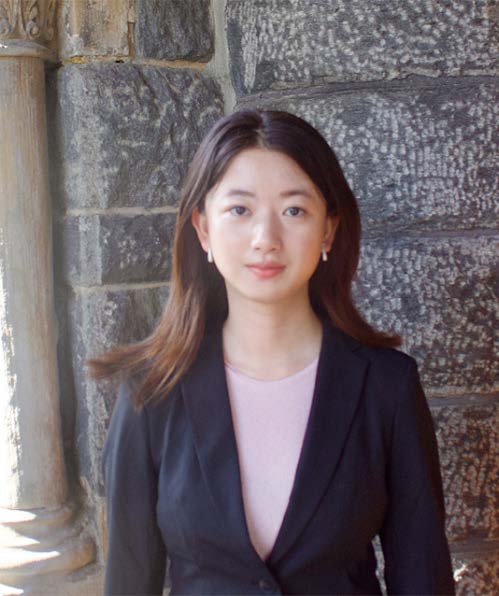
Ritika Saligram (G’28) is a first-year graduate student in the dual degree Master of Science in Foreign Service/Master of Business Administration program at Georgetown studying global politics and security.
Anjali Ramesh | 2026年2月27日
Austin Huang | 2026年2月27日
Zane Nagel | 2026年2月27日
Caroline Kiely | 2026年2月26日
Eileen Miller | 2026年2月26日

Jack Willis | 2026年2月26日

John Henry Lotz-McMillen | 2026年2月26日
Katie Korbein | 2026年2月26日

Michael Scime | 2026年2月26日
Solene DeGaynor | 2026年2月26日
Solomon Bennett | 2026年2月26日
Emma Zhu | 2026年2月26日